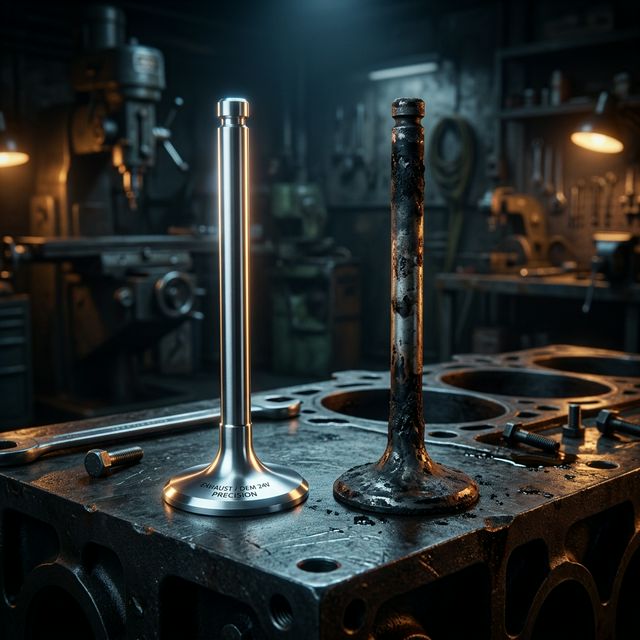
Engine valves act as the "breathing valves" of a vehicle's engine, playing an extremely critical role in the entire valvetrain components system. They are responsible for precisely controlling the entry of the air-fuel mixture (Intake Valve) and the exit of combusted exhaust gases (Exhaust Valve).
So, what happens to your vehicle when these critical components wear out or fail? Understanding the bad valve symptoms or signs of a bad valve is the first step to saving your engine from catastrophic damage and high repair bills.
Common Signs of a Bad Valve & Chain Reactions
When an engine valve experiences burning, sticking, poor sealing, or bending, it usually leads to the following noticeable failure symptoms:
Severe Compression Loss: One of the most important duties of both intake and exhaust valves is to form a perfect seal within the combustion chamber against the valve seats. If the valve edges wear down or crack, gases will leak during the compression stroke, directly causing the engine to lose power. This is one of the most classic signs of a bad valve.
Engine Misfire and Rough Idling: Poor valve sealing leads to incomplete combustion or a complete failure to ignite. You will noticeably feel the engine shaking violently during idling or acceleration, running erratically, and even producing popping noises from the exhaust.
Abnormal Oil Consumption and Blue Smoke (Worn Valve Stem Seals): If the valve stem seals age or fail, oil will leak down the valve stem into the combustion chamber and burn. This not only causes blue smoke from the tailpipe but also accelerates carbon buildup on valves, further degrading valve sealing performance.
Burnt Exhaust Valve: Because exhaust valves mostly operate under extreme thermal conditions (often exceeding 1000°C), inadequate cooling or severe carbon buildup can easily trigger valve burning. A burnt exhaust valve causes a cliff-like drop in power, misfires, and skyrocketing fuel consumption.
Why Do Engine Valves Fail? Material and Craftsmanship Are Key
Early valve failure is usually caused by the extreme mechanical loads and thermal stresses inside the engine compartment. Inferior materials easily deform, oxidize, or even fracture at high temperatures.
This leads to a crucial conclusion: once a valve is damaged, performing a valve replacement and choosing high-quality engine valves is the only way to ensure the long-term health of the engine and avoid expensive secondary repairs.
Excellence Through Expertise: The TOPU Advantage
In the automotive parts manufacturing sector, TOPU Engine Parts Co., Ltd has integrated the core elements of high-quality manufacturing into the DNA of Engine Valves and Valve Tappets over years of deep cultivation.
1. Deep Industry Accumulation: With over 20 years of production experience, TOPU has focused on R&D and manufacturing of core engine valvetrain parts since 2009, earning widespread recognition from global OEMs and the aftermarket.
2. Hardcore Materials & Technology: Facing extreme working environments, TOPU's engine valves are manufactured using premium high-temperature resistant alloy steel (and even titanium alloys/special coatings) combined with precision forging technology. This ensures the valve maintains extremely high dimensional accuracy, stable sealing, and fatigue resistance under extreme heat and pressure.
3. Flawless Reliability: Every single intake and exhaust valve passes through an automated blank production line, micron-level precision grinding, and 100% full-size online laser inspection to eliminate early valve failure completely.
Engine Valve Models (Recommended Replacements)
Whether you are looking for replacements for passenger cars or heavy-duty commercial vehicles, TOPU provides premium Engine Valves that meet strict OEM standards. Here are some of our highly popular core replacement valves:
1. Intake / Exhaust Valve for Toyota 1ZZ-FE Engine: Optimized for high-load engines, such as the 13711-22040 high corrosion endurance intake and exhaust valves tailored for Toyota Corolla models. High-strength Intake Valves comprehensively improve air intake efficiency and reduce valve seat wear.
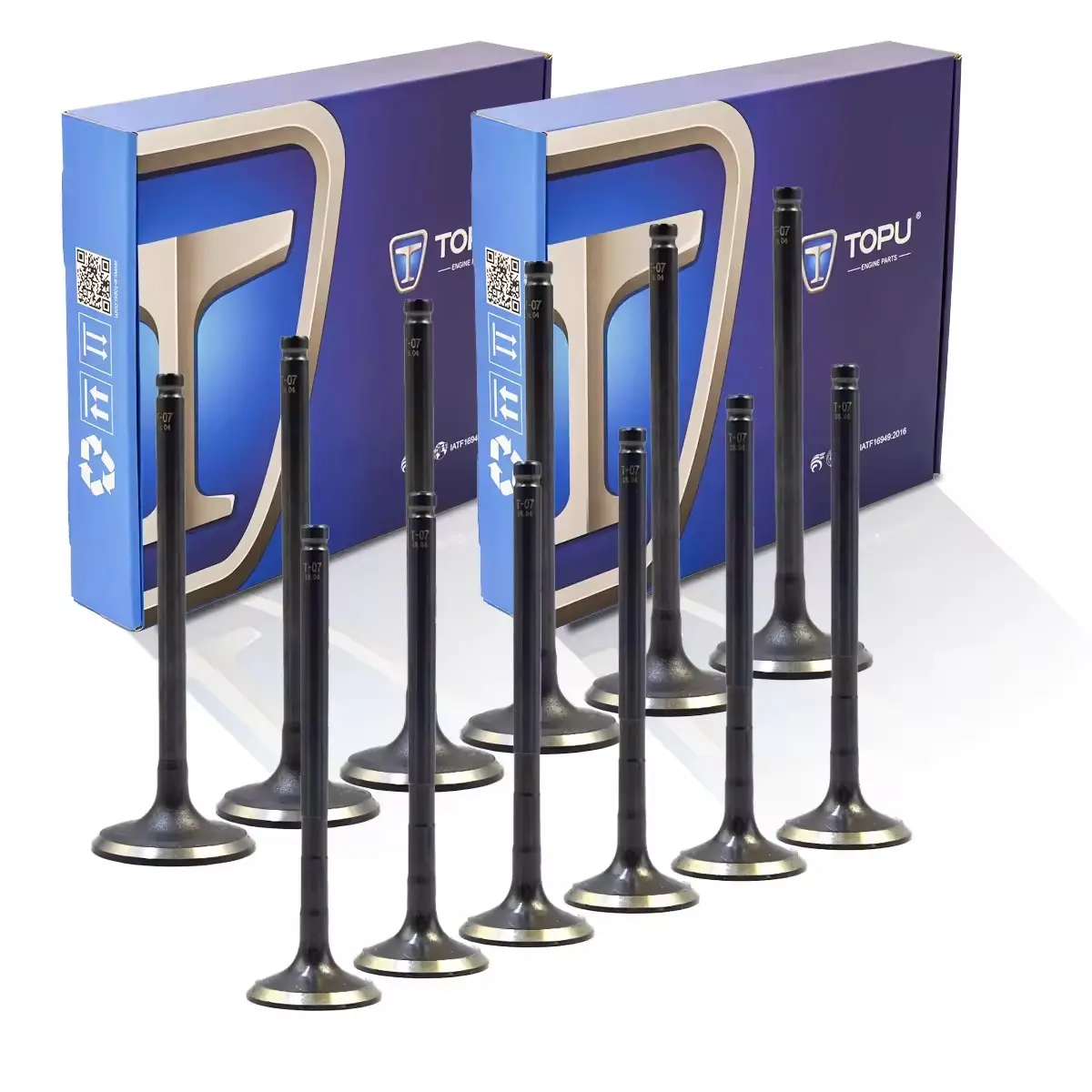
2. High-Performance Intake Valve for GM Aveo Series: Such as the purpose-built engine valve tailored for GM Aveo engines (OEM: 96440079). Forged with advanced high-temperature alloys, designed specifically to withstand burning exhaust gases and ensure long-lasting sealing.
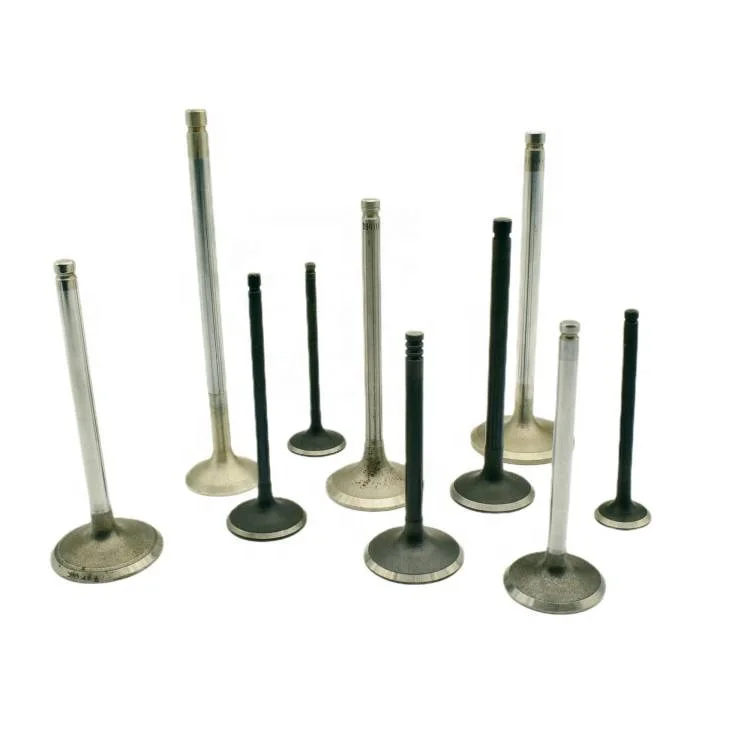
3. Heavy-Duty Valve Replacement Kits: For special vehicles and commercial trucks/buses, we provide a complete suite of commercial Valve replacement solutions, not only including valves but also matching our high-precision Hydraulic Lifters. View Full Catalog: TOPU Engine Valve Catalog
Ready to Upgrade Your Engine Valve Supply Chain?
If you are looking for a capable supplier with IATF 16949 certification for your auto parts business, maintenance network, or production line, TOPU will be your reliable long-term partner.
We invite you to physically evaluate the precision quality of TOPU products. Contact us today to request product samples for field testing or receive our latest tailored quotation!
📧 Email: [email protected]
📱 WhatsApp: +86 138 6266 4011
Explore more details about TOPU Engine Valves and submit your requirements online.